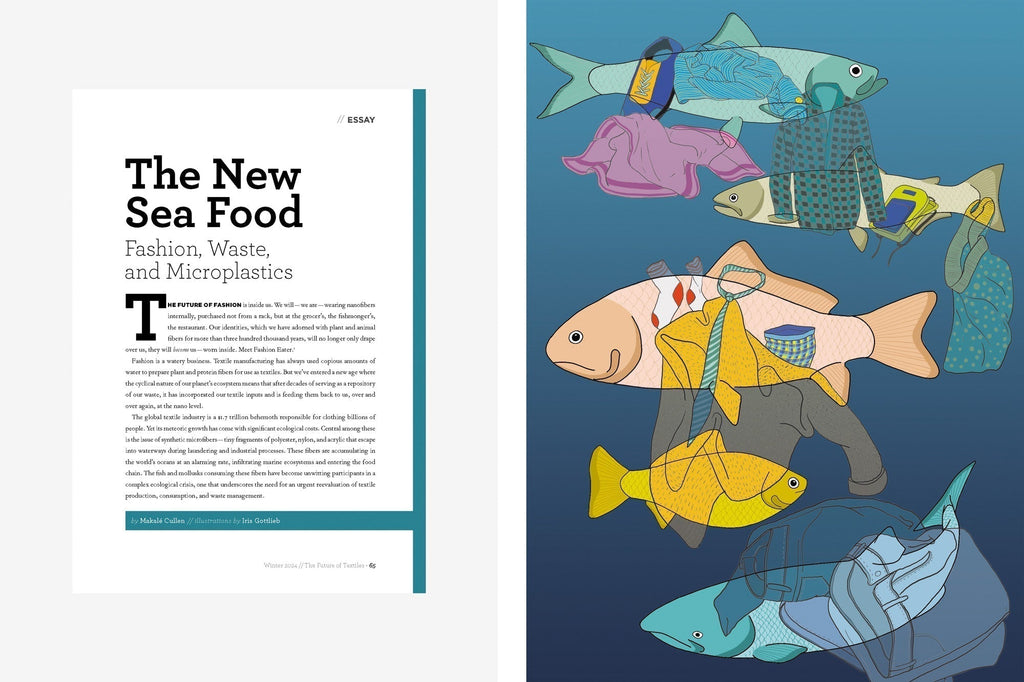
The following excerpt was published in the Southern Cultures “Future of Textiles” issue, guest edited by Natalie Chanin. Fashion Eater The Sea’s New Food by Makalé Cullen The future of fashion is inside of us. We will—we are—wearing nanofibers internally, purchased not from a rack, but at the grocer’s, the fishmonger’s, the restaurant. Our identities, which we have adorned with plant and animal fibers for more than three hundred thousand years, will no longer only drape over us, they will become us—worn inside. Meet Fashion Eater. Fashion is a watery business. Textile manufacturing has always used copious amounts of water...
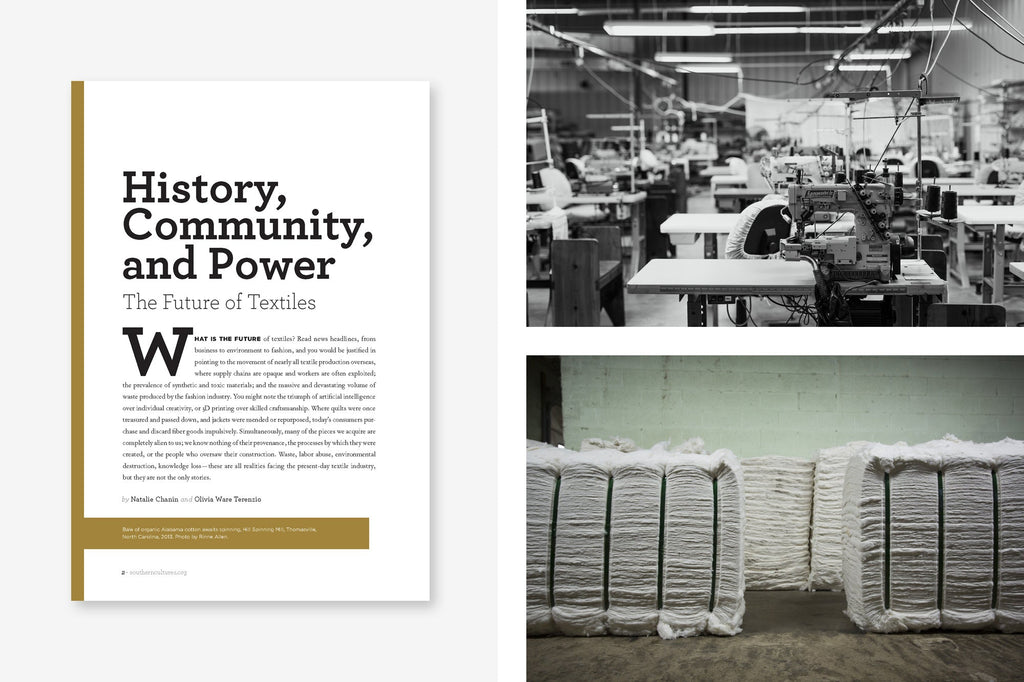
In Winter 2024, Natalie and the Project Threadways team collaborated on a guest-edited issue of Southern Cultures, a quarterly journal published by the Center for the Study of the American South at UNC-Chapel Hill, focused on the theme “The Future of Textiles.” Purchase the full issue here. IntroductionHistory, Community, and Powerby Natalie Chanin and Olivia Terenzio What is the future of textiles? Read news headlines, from business to environment to fashion, and you would be justified in pointing to the movement of nearly all textile production overseas, where supply chains are opaque and workers are often exploited; the prevalence of...
At Project Threadways, we believe making is more than a practice—it is a way to restore dignity, reclaim voice, and imagine new futures. One stitch, one story, one system at a time.1. We believe in the power of making.Making connects. Making restores. Making transforms. Whether through garments, farming, stories, or systems, this work holds the power to reshape the world.2. We don’t just make clothes—we build ecosystems.Alabama Chanin is a 25-year experiment in circular design: artisan-led clothing and textiles, transparent supply chains, and ethical labor systems rooted in the American South.3. Where tradition meets transformation.Together with The School of Making,...
Twenty-five years ago, I moved back to my hometown of Florence to create a short documentary film, STITCH, and 200 one-of-a-kind T-shirts, handcrafted by artisans in The Shoals. When I began this work, the concept of a for-profit business with a social mission was either nonexistent or beyond my awareness. From the very beginning, however, Alabama Chanin incorporated a clear social and ecological mission into its business model. We worked with recycled T-shirts, bought organic, American-grown cotton, paid skilled artisans to sew by hand, created jobs, and facilitated community gatherings. We held maker workshops, nurtured supply chains, and dreamed of a safer,...
I came of age at a time when the United States functioned as a country of makers. We made steel, and textiles, and cars and appliances, and did it so well. American makers designed and produced an array of products that in turn enriched lives, families, and communities. From the rural South and our maker-farms to regional factories, and beyond, American-made most often meant well-designed, well-made goods that could last a lifetime—and in some cases, many lifetimes, through the generations of families. In my own community of Muscle Shoals, friends and family members grew cotton, which was transformed into...
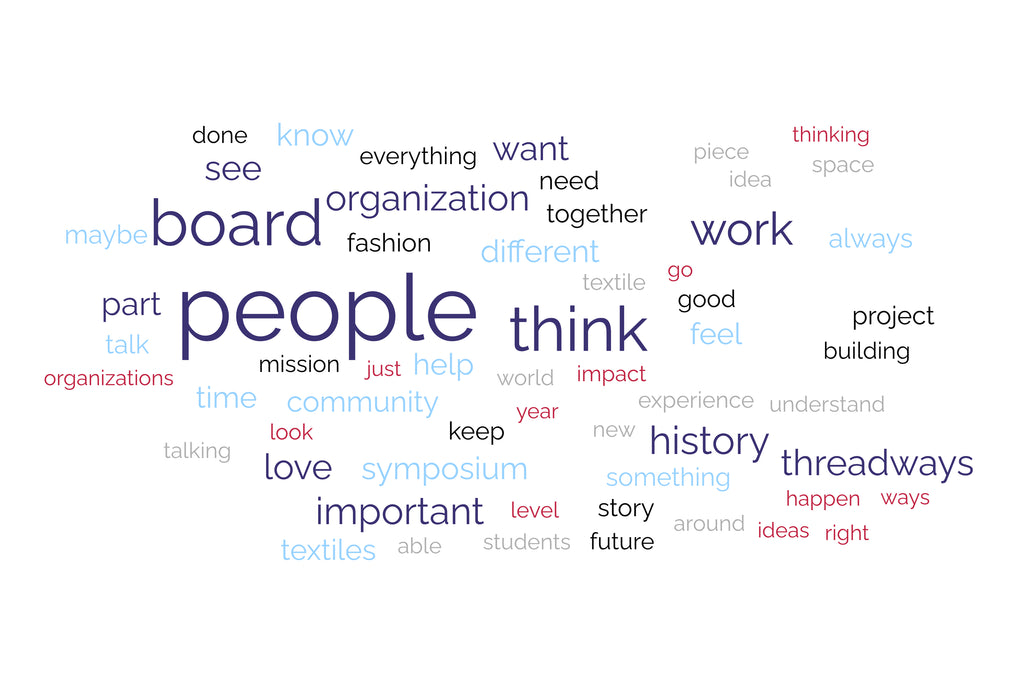
Last year, as we were considering the future of this organization as a non-profit, I knew we couldn’t build that future alone. We needed honest feedback and buy-in from our community. We needed to know what people valued about this work and what they wanted to see from it going forward. Thanks to a generous donation, Project Threadways’ leadership team conducted a Constituent Engagement Study over the course of six months, interviewing board members, employees, artisans, guests, and collaborators. In the spirit of transparency, I want to share some of the findings with this broader community. People When asked...
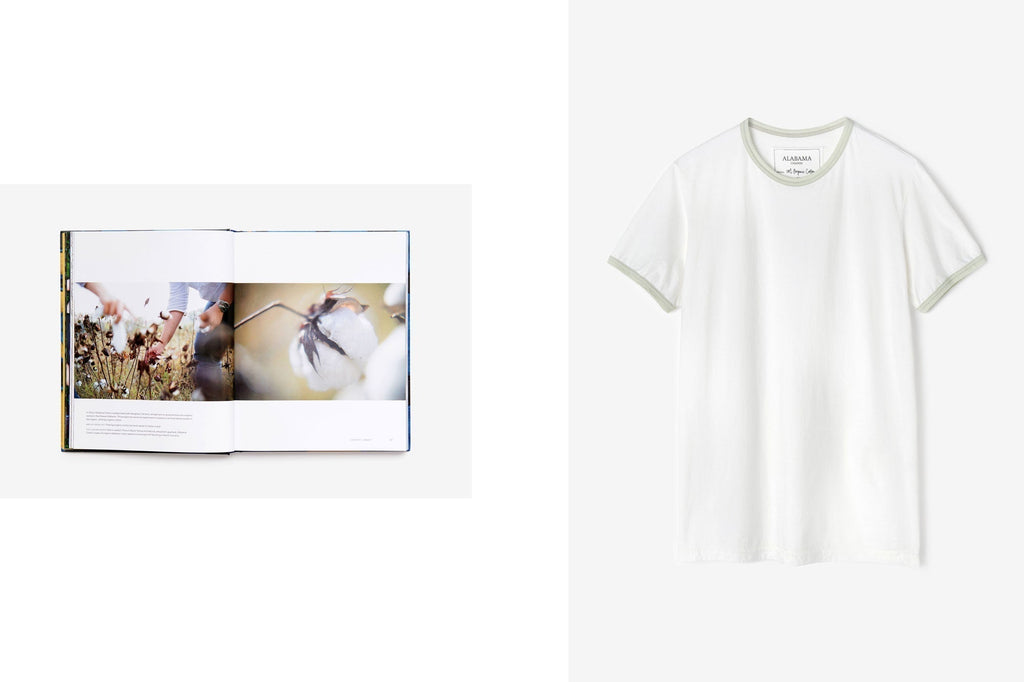
Who benefits from purchasing an Alabama Chanin garment? The short answer is “everyone,” but let’s take a closer look at who is impacted by the production and sale of our sustainable garments. If you’d like to learn even more, join us at the Project Threadways Symposium (virtually or in person) or read about our supply chain in detail here. Organic cotton is grown using natural biological cycles and without harmful chemicals that can negatively affect wildlife and people. It accounts for roughly 1-2% of cotton worldwide, with only a fraction of production occurring in the United States. Since 2004, we’ve...